The Essentials of HVAC
페이지 정보

작성자 Karen
조회 4회 작성일 26-01-08 15:42
조회 4회 작성일 26-01-08 15:42
본문
Understanding HVAC: The Core of Modern Comfort
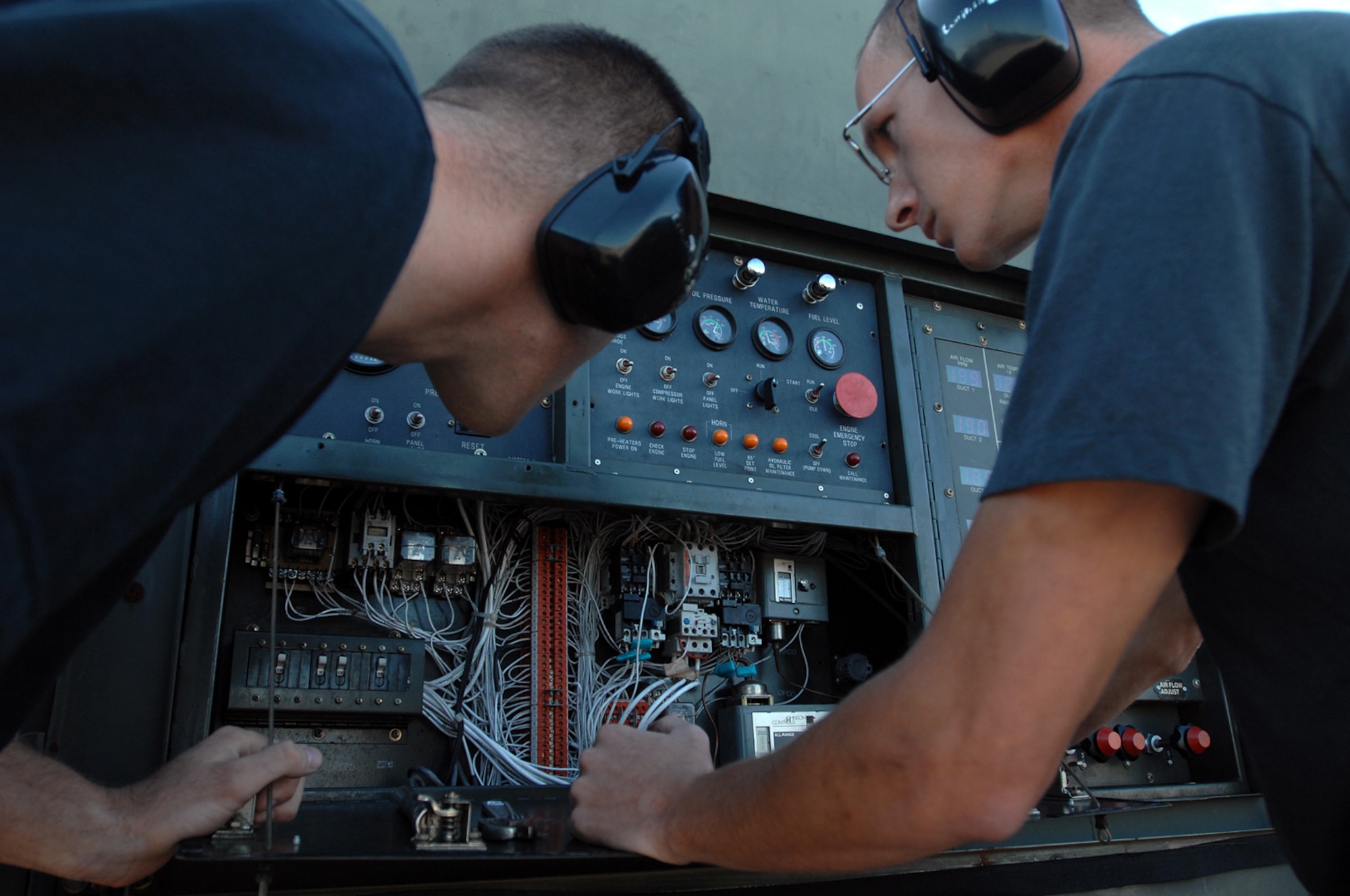 Heating, Ventilation, and Air Conditioning (HVAC) systems are essential technologies that regulate indoor environments, ensuring comfort, air quality, and energy efficiency in homes, offices, and public buildings. This text explores the fundamental components and functions of HVAC systems, providing a clear understanding suitable for an informed reader interested in the mechanisms behind modern climate control.
The Essentials of HVAC
At its core, HVAC refers to the technology that manages heating, cooling, and ventilation within a building. Each element plays a vital role: heating systems raise indoor temperatures during cold periods; ventilation ensures fresh air circulates to remove pollutants and moisture; and air conditioning cools indoor spaces during warmer weather.
Heating typically involves a furnace or heat pump. A furnace burns fuel or uses electricity to generate heat, which is distributed through ducts or radiators. Heat pumps, on the other hand, are versatile devices that can transfer heat both into and out of a building, depending on the season, making them energy-efficient.
Ventilation involves the exchange of indoor air with fresh outdoor air. Mechanical ventilation uses fans and ducts to control airflow, filter contaminants, and maintain humidity levels, which is crucial for health and comfort. Natural ventilation, through windows or vents, is another method, though less controllable.
Air conditioning systems use refrigerants to absorb heat from indoor air and release it outside, effectively cooling the interior. Central air conditioners circulate cooled air through ductwork, while split or window units cool individual rooms.
Why HVAC Matters
Beyond comfort, HVAC systems have a profound impact on health, energy consumption, and building sustainability. Properly maintained HVAC ensures adequate air quality by filtering out dust, allergens, and other pollutants. Energy-efficient systems reduce utility costs and carbon footprints, aligning with growing environmental concerns.
Technology advances continue to improve HVAC systems’ performance through smart thermostats, variable-speed compressors, and eco-friendly refrigerants. If you want to learn more information on hvac services nearby (similar web page) check out our web-page. These innovations provide precise control, reduce waste, and enhance user convenience.
Heating, Ventilation, and Air Conditioning (HVAC) systems are essential technologies that regulate indoor environments, ensuring comfort, air quality, and energy efficiency in homes, offices, and public buildings. This text explores the fundamental components and functions of HVAC systems, providing a clear understanding suitable for an informed reader interested in the mechanisms behind modern climate control.The Essentials of HVAC
At its core, HVAC refers to the technology that manages heating, cooling, and ventilation within a building. Each element plays a vital role: heating systems raise indoor temperatures during cold periods; ventilation ensures fresh air circulates to remove pollutants and moisture; and air conditioning cools indoor spaces during warmer weather.
Heating typically involves a furnace or heat pump. A furnace burns fuel or uses electricity to generate heat, which is distributed through ducts or radiators. Heat pumps, on the other hand, are versatile devices that can transfer heat both into and out of a building, depending on the season, making them energy-efficient.
Ventilation involves the exchange of indoor air with fresh outdoor air. Mechanical ventilation uses fans and ducts to control airflow, filter contaminants, and maintain humidity levels, which is crucial for health and comfort. Natural ventilation, through windows or vents, is another method, though less controllable.
Air conditioning systems use refrigerants to absorb heat from indoor air and release it outside, effectively cooling the interior. Central air conditioners circulate cooled air through ductwork, while split or window units cool individual rooms.
Why HVAC Matters
Beyond comfort, HVAC systems have a profound impact on health, energy consumption, and building sustainability. Properly maintained HVAC ensures adequate air quality by filtering out dust, allergens, and other pollutants. Energy-efficient systems reduce utility costs and carbon footprints, aligning with growing environmental concerns.
Technology advances continue to improve HVAC systems’ performance through smart thermostats, variable-speed compressors, and eco-friendly refrigerants. If you want to learn more information on hvac services nearby (similar web page) check out our web-page. These innovations provide precise control, reduce waste, and enhance user convenience.
- 이전글You suggested it effectively 26.01.08
- 다음글The Key To Successful Poker Review 26.01.08