Optimal Wavelengths for Optoacoustic Measurements of Blood Oxygen Satu…
페이지 정보

조회 17회 작성일 25-11-30 17:37
본문
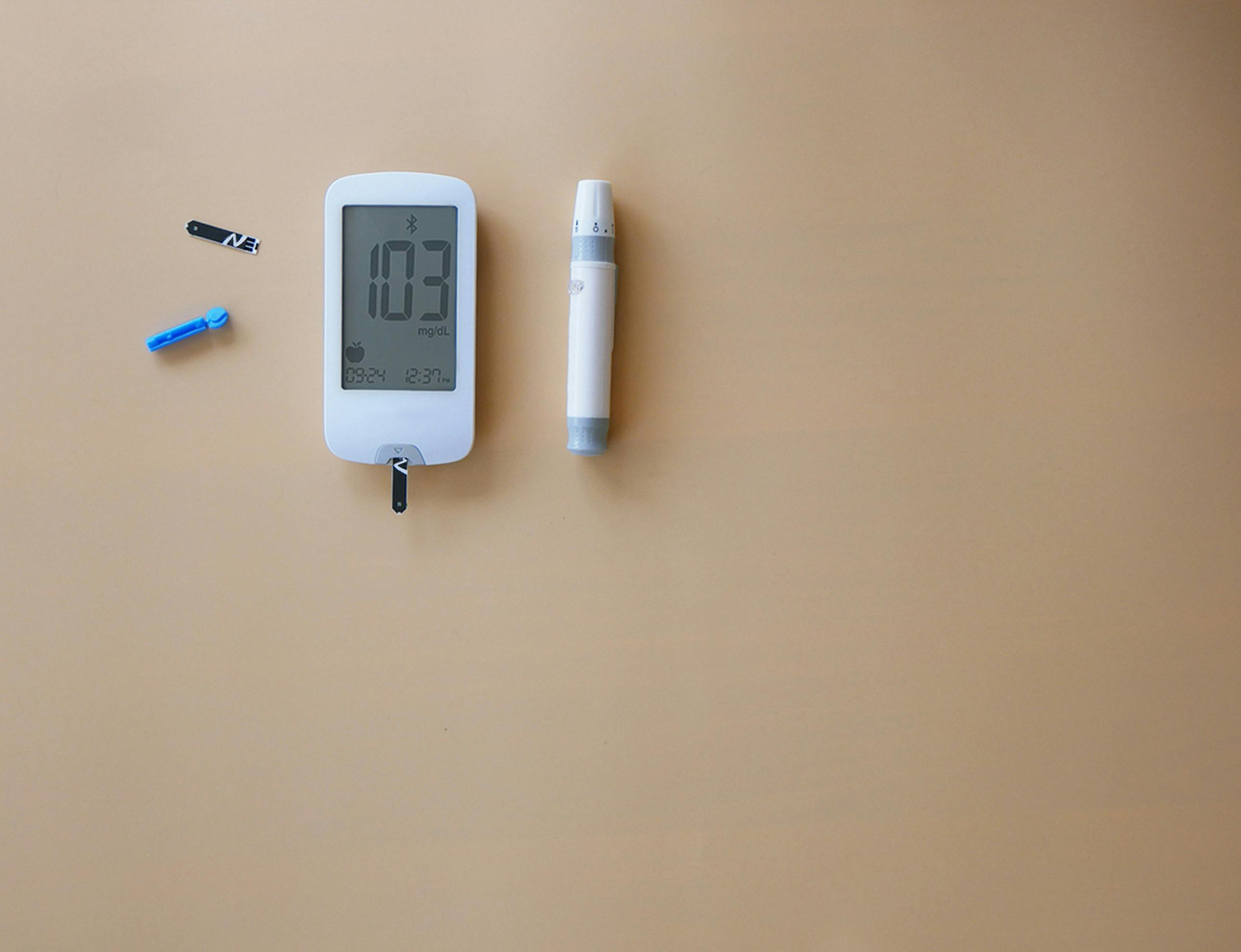 The non-invasive measurement of blood oxygen saturation in blood vessels is a promising clinical utility of optoacoustic imaging. Nevertheless, precise optoacoustic measurements of blood oxygen saturation are restricted due to the complexities of calculating the spatial distribution of the optical fluence. Within the paper error within the willpower of blood oxygen saturation, related to the use of approximate strategies of optical fluence analysis inside the blood vessel, was investigated for optoacoustic measurements at two wavelengths. The tactic takes under consideration each acoustic pressure noise and the error in determined values of the optical scattering and absorption coefficients used for the calculation of the fluence. It is shown that, BloodVitals SPO2 device in circumstances of an unknown (or partially recognized) spatial distribution of fluence at depths of two to 8 mm, minimal error within the dedication of blood oxygen saturation is achieved at wavelengths of 658 ± forty nm and 1069 ± 40 nm.
Disclosure: The authors haven't any conflicts of interest to declare. Correspondence: Thomas MacDonald, Medicines Monitoring Unit and Hypertension Research Centre, Division of Medical Sciences, University of Dundee, Ninewells Hospital & Medical School, Dundee DD1 9SY, UK. Hypertension is the commonest preventable cause of cardiovascular disease. Home blood pressure monitoring (HBPM) is a self-monitoring instrument that can be incorporated into the care for patients with hypertension and is really helpful by major pointers. A rising physique of proof helps the benefits of patient HBPM in contrast with office-primarily based monitoring: these embody improved management of BP, prognosis of white-coat hypertension and prediction of cardiovascular danger. Furthermore, HBPM is cheaper and easier to perform than 24-hour ambulatory BP monitoring (ABPM). All HBPM units require validation, nonetheless, as inaccurate readings have been present in a high proportion of monitors. New technology features a longer inflatable space within the cuff that wraps all the way spherical the arm, increasing the ‘acceptable range’ of placement and thus decreasing the impression of cuff placement on studying accuracy, thereby overcoming the limitations of present devices.
However, even if the influence of BP on CV danger is supported by one among the greatest bodies of clinical trial knowledge in medicine, few clinical research have been dedicated to the difficulty of BP measurement and its validity. Studies additionally lack consistency in the reporting of BP measurements and some do not even provide particulars on how BP monitoring was performed. This text aims to discuss the advantages and disadvantages of dwelling BP monitoring (HBPM) and examines new technology geared toward improving its accuracy. Office BP measurement is associated with several disadvantages. A examine during which repeated BP measurements have been made over a 2-week interval below analysis study conditions found variations of as a lot as 30 mmHg with no treatment changes. A current observational examine required main care physicians (PCPs) to measure BP on 10 volunteers. Two educated analysis assistants repeated the measures immediately after the PCPs.
 The PCPs have been then randomised to receive detailed training documentation on standardised BP measurement (group 1) or details about excessive BP (group 2). The BP measurements had been repeated a number of weeks later and the PCPs’ measurements compared with the average worth of 4 measurements by the analysis assistants (gold standard). At baseline, the mean BP variations between PCPs and the gold standard had been 23.Zero mmHg for systolic and 15.Three mmHg for diastolic BP. Following PCP training, the imply distinction remained high (group 1: 22.3 mmHg and 14.4 mmHg; group 2: 25.Three mmHg and 17.Zero mmHg). As a result of the inaccuracy of the BP measurement, 24-32 % of volunteers have been misdiagnosed as having systolic hypertension and 15-21 % as having diastolic hypertension. Two alternative applied sciences are available for measuring out-of-workplace BP. Ambulatory BP monitoring (ABPM) gadgets are worn by patients over a 24-hour period with multiple measurements and are considered the gold standard for BP measurement. It additionally has the advantage of measuring nocturnal BP and subsequently permitting the detection of an attenuated dip during the night.
However, ABPM screens are expensive and, while cost-effective for the diagnosis of hypertension, aren't practical for the long-term monitoring of BP. Methods for non-invasive BP measurement embrace auscultatory, oscillometric, tonometry and pulse wave report and analysis. HBPM makes use of the same know-how as ABPM monitors, however allows patients to observe BP as usually as they want. The advantages and disadvantages of HBPM are summarised in Table 1. While ABPM supplies BP information at many timepoints on a selected day throughout unrestricted routine each day actions, HBPM gives BP information obtained below fixed instances and circumstances over a long period; thus, HBPM gives stable readings with high reproducibility and has been proven to be as reliable as ABPM. Table 1: Advantages and Limitations of Home Blood Pressure Monitoring. BP recording continues for at least four days, BloodVitals SPO2 device ideally for 7 days. Measurements taken on the first day must be discarded and the common worth of the remaining days after day one is discarded be used.
- 이전글Нижегородская недви 25.11.30
- 다음글MindHero only $49/Bottle Limited Time Offer! 25.11.30