The Rise of Sustainable Filament in 3D Printing
페이지 정보

조회 4회 작성일 25-12-22 07:44
본문
In recent years, the 3D printing industry has made remarkable strides in using sustainable printing material, turning waste materials into reliable print media. This shift is driven by rising demand for green tech and the urgent call to cut new plastic production. Manufacturers and researchers have developed advanced processes to purify, categorize, and reform post-consumer plastic waste into industrial-grade spool material suitable for desktop and industrial 3D printers.
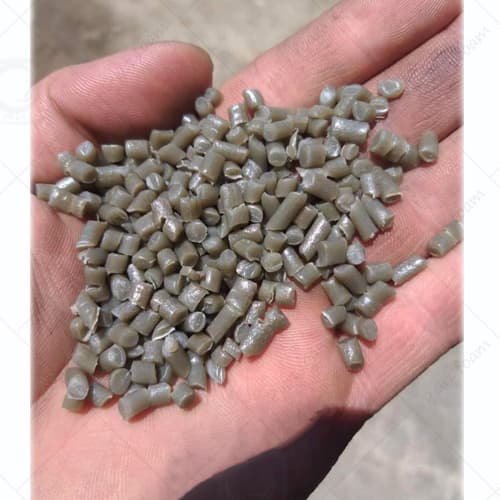
One major advancement is the improvement in material consistency. Early versions of recycled filament often suffered from unreliable geometry and debris that caused extrusion errors. Today, advanced sorting technologies and precision extrusion systems ensure that the filament maintains precise diameters, making it compatible with nearly all FDM platforms. Some companies now use machine learning inspection tools to automatically eliminate foreign particles before the plastic is melted and spun into filament.
Another breakthrough is the combining multiple polymer streams. Previously, mixing plastics like PET and HDPE resulted in brittle layers and interfacial failure. New polymer coupling agents now allow for stable blends that retain strength and durability. This means that diverse municipal plastic waste can be transformed into dependable filament stock without needing to separate each type manually.
Recycled PLA has also seen notable upgrades. While PLA is biodegradable under industrial conditions, using recycled PLA reduces the demand for corn-based feedstocks and decreases lifecycle emissions. Enhanced formulations now offer improved thermal stability and dimensional accuracy, making sustainable PLA spools a reliable material for both aesthetic and mechanical applications.
The sustainability gains of these advances is transformative. For every kilogram of recycled filament produced, up to 80 percent less energy is used compared to creating petroleum-based filament. Additionally, preventing plastics from entering ecosystems helps reduce pollution and supports a circular economy.
Several startups and established brands now offer filament made entirely from plastic recovered from coastlines and تولید کننده گرانول بازیافتی manufacturing offcuts. Some even provide traceability, allowing users to track where the plastic came from and how much waste was diverted. universities, schools, and community labs are adopting these filaments to combine environmental ethics with hands-on fabrication.
While challenges remain—such as uniform hue and fatigue resistance—the progress is undeniable. As technology improves and consumer demand grows, eco-conscious thermoplastic is moving from a specialty option to a industry standard in 3D printing. The future of digital production is not just about advanced geometry, but also about ethical sourcing.