Sustainable Design Guidelines for Recycled Plastic Products
페이지 정보

조회 5회 작성일 25-12-22 10:17
본문
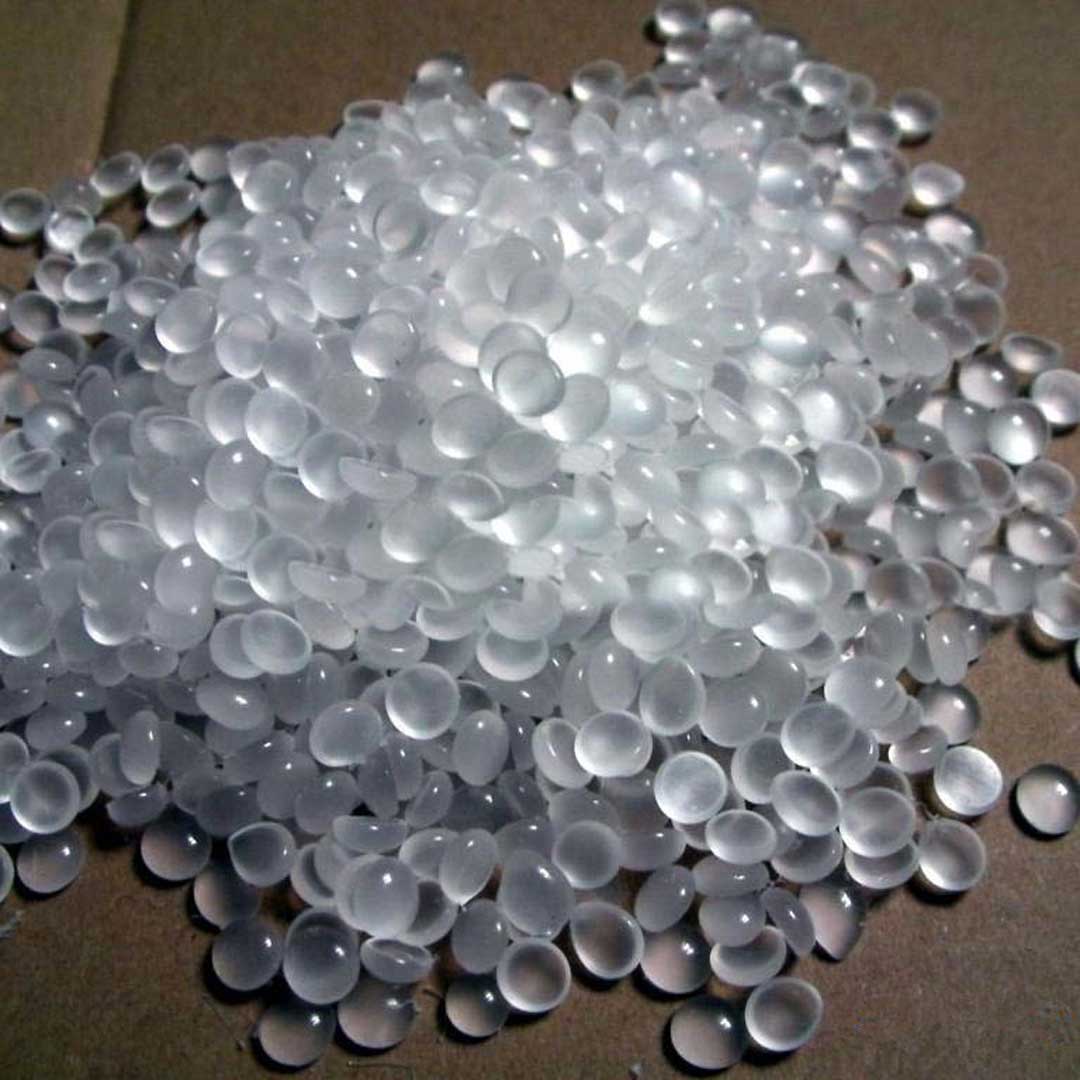
When designing products from reprocessed plastic, it is essential to prioritize sustainability and enduring performance. Start by selecting rigorously sorted and purified plastic feedstock that have been carefully washed and graded. Not all recycled plastics are the same, so understanding the recycling stream and resin ID helps ensure durability and safety. Avoid combining multiple resin codes in a single product, as this can diminish material value during reprocessing and limit its reuse potential when it reaches end-of-use phase.
Design for dismantling by using screwless assembly methods and avoiding adhesives that cannot be easily separated. This makes it easier to deconstruct units at the end of its life so that each element can be successfully reintegrated into new cycles. Where possible, use interchangeable subsystems that allow individual elements to be upgraded instead of discarding the entire product. This extends the service life and lowers resource consumption.
Consider the full product lifecycle. Choose visual finishes that do not require harmful dyes or coatings, which can introduce toxins into reprocessing. Natural or earthtone hues often require minimal processing and are easier to recycle. Also, minimize the use of mixed materials like metal or glass unless absolutely necessary, as they require specialized recycling infrastructure during recycling.
Ensure that the product is designed for actual consumer conditions. Products made from reprocessed polymers may have variable mechanical traits than newly manufactured resins, such as lower impact resistance. Account for these differences in your design by optimizing load-bearing geometry or modifying section dimensions. Test prototypes thoroughly under field environments to ensure reliability and compliance.
Label products visibly with reuse directions and the material composition. Educating consumers helps ensure proper disposal and increases the chances that the product will be reintegrated into circular systems. Include information about the process for product take-back if a return initiative is offered.
Finally, think about the manufacturing ecosystem. Partner with regional processing facilities to lower carbon footprint and promote local resource independence. Transparency in sourcing and production builds consumer confidence and ethical buying. Sustainable design is not just about the resources you select, تولید کننده گرانول بازیافتی but how you integrate them into functional systems that are serviceable and are reintegrated into new products.
- 이전글เล่นเกมเกมยิงปลาออนไลน์ BETFLIK ได้อย่างไม่มีข้อจำกัด 25.12.22
- 다음글บาคาร่า 25.12.22