The Craft and Culture Behind Greek Coins
페이지 정보

조회 23회 작성일 25-11-08 23:26
본문
The Greeks pioneered one of humanity’s first highly refined coin production systems
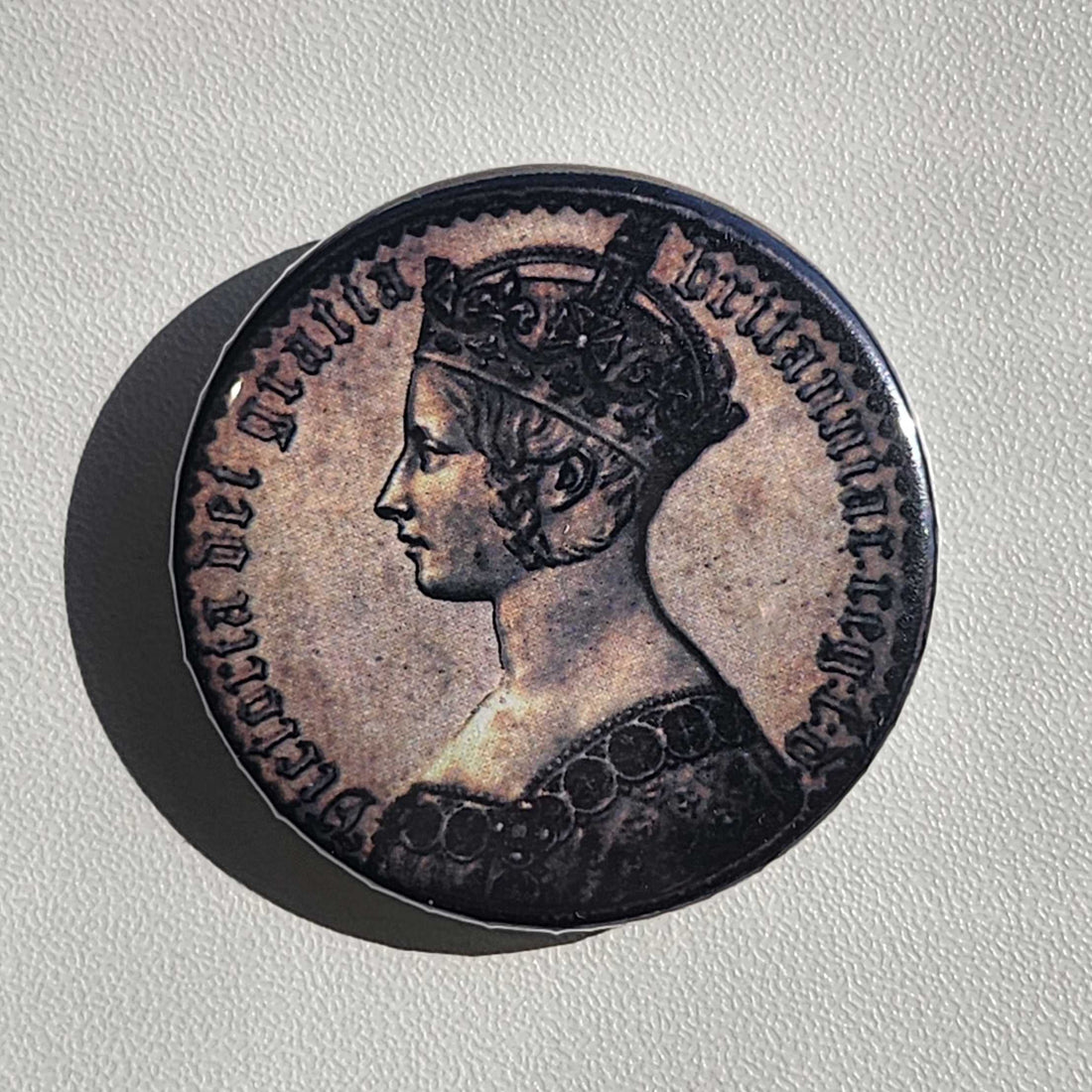
Rather than machine-pressed, each Greek coin was individually struck by skilled artisans
Artisans started with a precisely measured metal blank—often silver or gold, but sometimes bronze or electrum, varying by city-state and period
The metal was carefully weighed and then heated to make it more malleable
The softened disc was then sandwiched between two intricately engraved dies, each destined to imprint its design onto opposite faces
Fixed firmly into the base, the obverse die bore sacred or アンティーク コイン symbolic imagery central to the issuing polis
The reverse die, usually bearing a simpler design like an animal, plant, or emblem of the issuing city, was held by the mint worker
A single forceful blow from a large hammer imprinted both faces at once
The hammer’s impact pressed the metal into the die’s recesses, yielding crisp, lifelike designs that embodied the city’s beliefs and identity
Because each coin was struck individually, no two were exactly alike
Differences in die alignment, strike pressure, and die wear endowed each piece with individuality
Flaws were celebrated as proof of artisanal craftsmanship, not as failures
The dies themselves were carved with remarkable precision by skilled artisans, often using chisels and files on hardened steel or bronze
Certain dies endured thousands of impressions before needing replacement, while others were retired early due to breakage or changing symbols
Greek minters implemented rigorous standards to ensure consistency and trust
Regional weight standards were enforced, and inspectors verified each coin’s mass and metal content
Forging coins was met with harsh legal consequences, including exile or death
The use of high purity silver, especially in Athens, helped establish trust in their coinage across the Mediterranean
The Athenian owl tetradrachm became one of the most widely accepted currencies in the ancient world, admired for its consistent weight and iconic design
Over time, the techniques evolved
In the Hellenistic period, larger coins were produced using more powerful presses and improved die-making methods
Innovative mints combined several dies to craft elaborate mythological or civic scenes, pushing artistic boundaries further than ever before
The ancient hammering process persisted for centuries, only yielding to Roman-era mechanical presses
The legacy of Greek coinage extends beyond its economic function
These coins were miniature works of art that communicated political identity, religious devotion, and civic pride
They circulated far beyond their places of origin, carrying with them the stories and symbols of the Greek world
Contemporary researchers analyze these coins not just as currency, but as irreplaceable windows into ancient civilization
The skill and artistry involved in their creation continue to inspire admiration centuries after they were last struck
- 이전글Play Exciting Slot Gamings totally free Online in Thailand 25.11.08
- 다음글GKontos Roofing & Exterior Specialists 25.11.08