From Lydian Stamps to Industrial Precision: The Journey of Coin Design…
페이지 정보

조회 24회 작성일 25-11-09 01:22
본문
Coin aesthetics have undergone profound transformations across millennia, mirroring the societal norms, アンティークコイン投資 innovations, and beliefs of their time. In ancient times, coins were simple and often made from naturally occurring metals like electrum, a mix of gold and silver. The earliest known coins appeared in Lydia around 600 BCE and featured basic stamped images, such as a lion’s head, meant to signify authority and authenticity. Despite their simplicity, these markings were essential—they assured users that the metal’s value and the issuer’s credibility were genuine.
With the expansion of city-states and empires, coinage became increasingly sophisticated. Coins in classical Greece evolved into finely crafted miniature sculptures. Athens, Syracuse, and other polis centers produced coins adorned with intricate depictions of deities, legendary figures, and regional emblems. Athena’s owl, a steadfast emblem of wisdom and city pride, dominated ancient coinage and was instantly recognized from Ionia to Italy. Beyond economic function, these coins served as political statements and civic badges, broadcasting the values and divine favor of their issuing cities.
Rome revolutionized coinage through unprecedented uniformity and imperial reach. Emperors weaponized coinage to project their likeness and authority throughout the empire. Imperial portraits grew increasingly lifelike, accompanied by detailed legends enumerating titles, military triumphs, and claims of divinity. Temple facades, triumphal arches, and aqueducts adorned coins, converting mundane exchanges into affirmations of Roman might and divine sanction. Metallurgical advances and precision engraving elevated the clarity and artistry of Roman coinage.
During the Middle Ages, coin design became more varied and less uniform due to the fragmentation of political power. Local lords and bishops issued their own coins, often with crude images of crosses, saints, or simple geometric patterns. Artistic ambition gave way to utility, as most local mints operated with minimal technical expertise. However, religious symbolism remained dominant, reflecting the central role of the Church in daily life.
Classical humanism returned to currency, elevating coin design to the level of fine art. Imperial and civic portraits gained unprecedented realism, inspired by the techniques of Renaissance masters. Artisans started inscribing their names, and coins featured finely rendered locks of hair, nuanced emotions, and ornate compositional backgrounds. Coins from Italian city states like Florence and Venice were especially prized for their craftsmanship.
As nation-states solidified, coinage became a tool of centralized control and identity. Kings and queens leveraged coin imagery to assert dynastic legitimacy and national pride. Enlightenment values—liberty, equality, and civic duty—began to supplant traditional religious and royal motifs on coin faces. The American and French revolutions further accelerated this trend, with coins featuring allegorical figures like Liberty and the Phrygian cap.
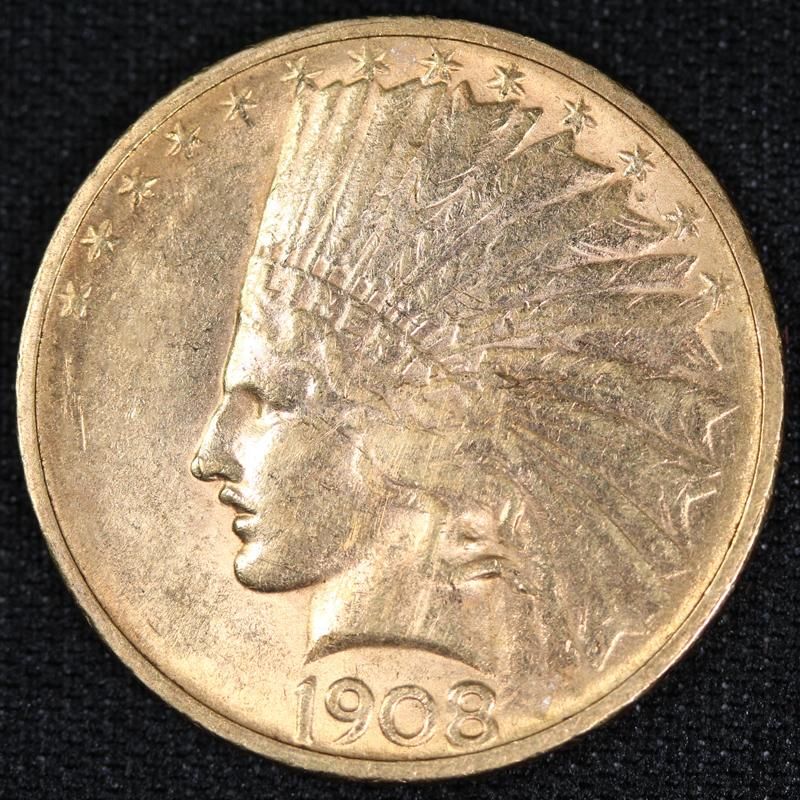
The advent of steam-driven minting machines enabled unprecedented precision and uniformity in coin production. Standardization became the norm, mirroring the mechanization and mass production of the era. Portraits of rulers remained common, but the style became more formal and less ornate. Latin legends gave way to vernacular tongues, broadening public comprehension and national connection.
From rudimentary emblems to intricate narratives, coins became layered expressions of national and imperial ideology. The core purpose of coin imagery—to convey legitimacy and ideology—endured, yet its execution, medium, and symbolism underwent radical evolution.